
Workshop Series
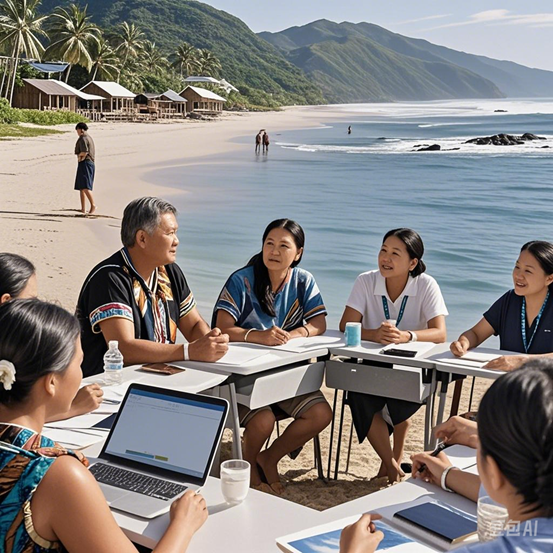
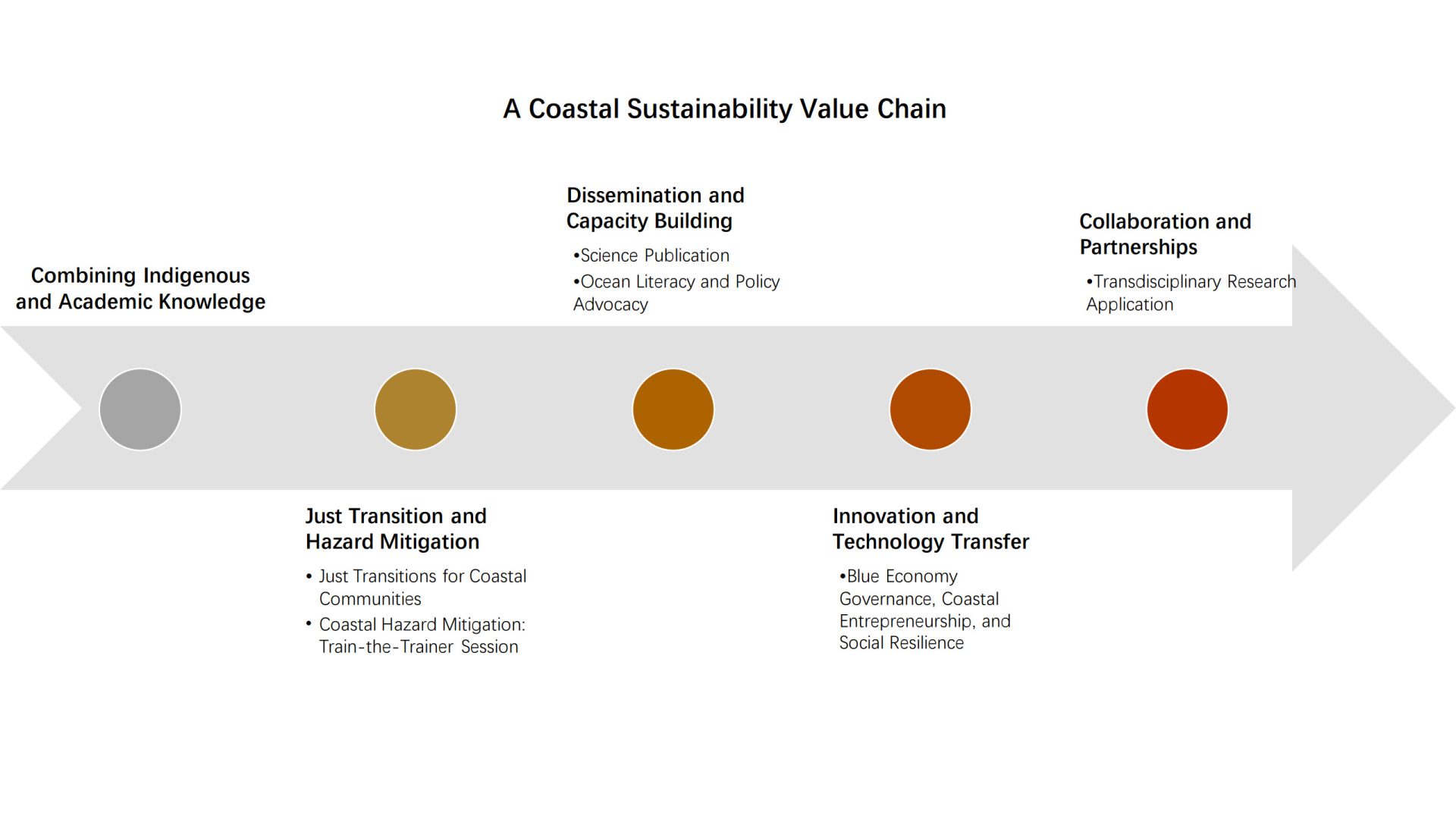
This workshop series represents a comprehensive value chain, beginning with the combination of Indigenous and academic knowledge tailored for traditional decision-makers. It then applies just transition principles to support resource-dependent coastal communities in adopting sustainable development practices. Dissemination and capacity building are facilitated through science publication training, policy advocacy, and ocean literacy workshops, empowering participants to share knowledge and influence policy effectively. Policy development is further strengthened by training on coastal hazard mitigation, equipping communities to address risks and enhance climate resilience. Innovation is promoted through blue economy governance workshops, which foster sustainable entrepreneurship and land-use planning. The series concludes with a transdisciplinary research application workshop, focusing on collaboration and partnerships to address complex coastal challenges and drive global positive change.
The workshops will be conducted utilizing a flexible format that includes in-person, virtual, or hybrid sessions to accommodate both physical and remote participation.
Combining Indigenous and Academic Knowledge for Traditional Decision Makers
(Led by Ocean KAN)

This workshop seeks to bridge the gap between academic research and data collection and Indigenous-led methods of knowledge gathering in a way that is useful for local decision-making by traditional leaders. The goal is to ensure that cutting-edge technology and methodologies are accessible to all Indigenous rights holders that wish to use them. By combining indigenous knowledge with more academic approaches, we aim to create a robust framework for informed decision-making that respects cultural heritage and promotes resilience. This workshop will support Indigenous ECOPs and members of the Ocean KAN already in collaboration, enhancing their ability to utilize advanced technology in decision-making processes.
Just Transition and Hazard Mitigation
(Led by FEC)
1 Beyond energy and jobs: just transitions to resilience for resource-dependent coastal communities.
The session aims to address the emerging concept of a “just transition” within sustainability discourse, particularly focusing on its application in coastal contexts. While attention to just transitions has primarily centered on climate change mitigation and high-emitting regions, there’s a notable gap in understanding its implications for livelihoods in resource-dependent coastal societies. The workshop seeks to explore what a just transition entails for coastal communities globally, considering factors such as labor, carbon-intensive regions, and climate change adaptation. The detailed contribution plan involves developing principles, best practices, and process guidance for characterizing and assessing just transitions in coastal contexts. Ultimately, the workshop aims to guide policy interventions, initiatives, and assessments in fostering equitable and sustainable coastal development. The outcome will turn into a paper or edited collection, facilitated by the FEC official journal Anthropocene Coasts.
2 Coastal Hazard Mitigation: Train-the-trainer session
The Train-the-trainer session aims to equip individuals with community-based expertise in coastal hazard risk reduction and climate-resilient development. In response to increasing coastal hazard risks due to climate change, the session leverages UNESCO IOC guidance. Targeting individuals with real-world experience in working with coastal communities, the session adopts a two-phase approach: pilot testing initial training and subsequent roll-out in selected localities. Key topics covered include coastal hazard risks, UNESCO IOC Guidance, and advanced training on guidance application. The session emphasizes engagement with immediate concerns, recruitment strategies, certification, challenges in community collaboration, and adaptable approaches. Ultimately, it endeavors to empower participants to effectively engage with communities in addressing coastal hazard risks and climate change impacts, promoting resilience and sustainable development.
Dissemination and Capacity Building
(Led by ECOP Programme and supported by Anthropocene Coasts)
1 General Trends of Ocean Science and Strategies for Future Academic Paper Writing
Anthropocene Coasts will launch a training course where editorial board members and esteemed authors will impart their insights into scientific research and academic paper writing. Moreover, Anthropocene Coasts will introduce an “ECOP Topical Collection”, inviting ECOPs to submit short articles on their research. These submissions will encompass Topical Communications on novel concepts, methodologies, projects, or topical commentaries. Annually, prizes will be awarded to the five best Topical Communications from the “Young Scientist Topical Collection”. In further support of ECOPs, Anthropocene Coasts will promote the “FEC Dialogue with Anthropocene Coasts” interview series.
2 Ocean Literacy and Policy Advocacy
Ocean Literacy extends beyond traditional classroom education; it represents a paradigm shift towards a broader and deeper understanding of the ocean’s role in our lives and the interconnectedness of our health, behaviors, policies, and practices with the ocean’s well-being. Many are unaware of how changes in the ocean impact communities, businesses, and society as a whole. This workshop aims to equip ECOPs with the skills and knowledge necessary to shift mainstream narratives and integrate ocean literacy into various sectors, including private businesses, finance, trade and shipping, urban planning, and policymaking. Through active learning and context-relevant exercises, multidisciplinary and cross-sectoral experts will introduce the seven principles of ocean literacy and highlight its role in addressing pollution, climate change, biodiversity loss, and other human-driven issues affecting coastal ecosystems. The workshop will demonstrate how ocean literacy can foster a Blue Economy that is environmentally sustainable, socially equitable, and economically viable. An interactive science-policy module will further support ECOPs in effectively advocating for locally relevant, evidence-based policies that respect the marine environment and preserve the culture, heritage, and well-being of coastal communities, including guidance on creating accessible, succinct, and persuasive policy briefs for engaging decision-makers.
Innovation and Technology Transfer
(Led by FEC)
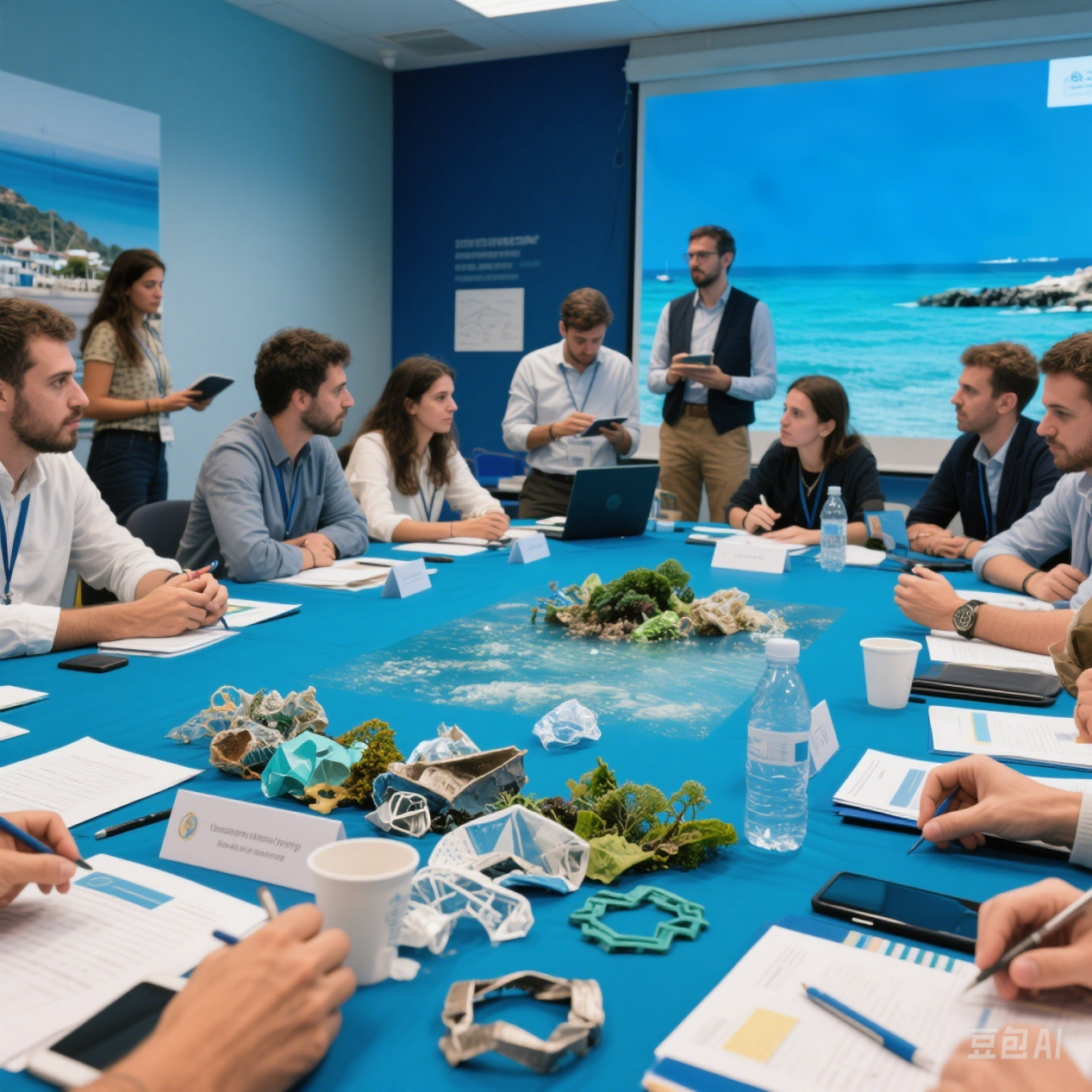
This workshop is designed to build capacity among ECOPs and industry players by sharing skills in multidisciplinary research, education, and innovation to influence policy-making in the blue economy. Participants will engage in hands-on training in circular economy practices, sustainable biodiversity innovations, and waste management, with a focus on upcycling and recycling strategies for start-up entrepreneurs. The workshop will equip participants with the tools to identify and address challenges in coastal communities, fostering economic growth and resilience. Training will cover essential topics such as project management, financial planning, stakeholder engagement, and legal frameworks within the Blue Economy.
Collaboration and Partnerships
(Led by FEC)
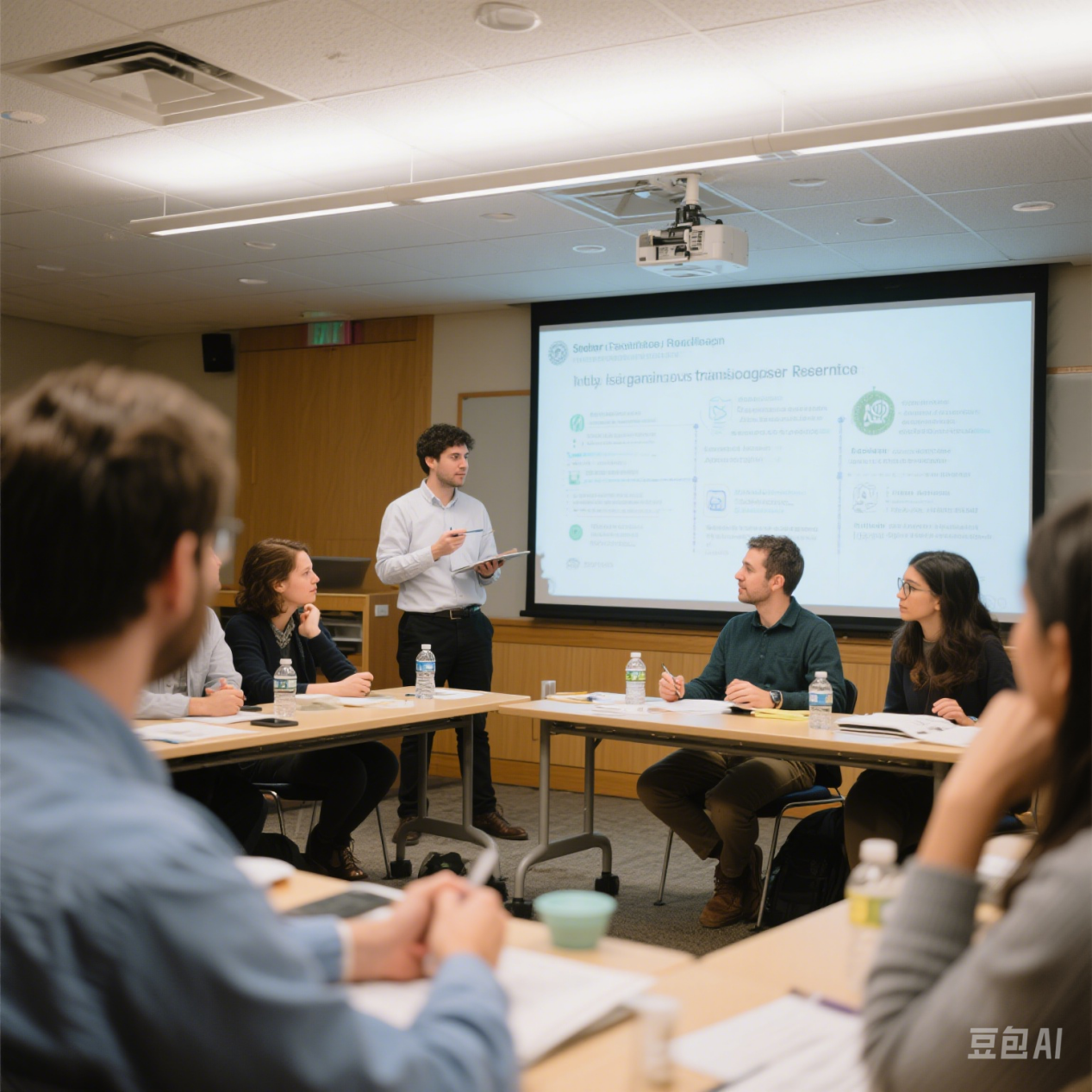
The workshop is focused on cultivating practical skills essential for scientists engaged in transdisciplinary research. While theoretical knowledge is often emphasized in science graduate programs, the practical aspects of collaborating with non-scientific stakeholders are frequently overlooked. This workshop aims to address this gap by examining the social and human-centered skills necessary for scientists to engage effectively with agencies, NGOs, and local communities. By exploring these critical skills, participants will gain insights into how to navigate interdisciplinary collaborations, communicate effectively across diverse stakeholder groups, and foster meaningful partnerships to address complex societal challenges.